
10 birds, one day: here's why they came to us
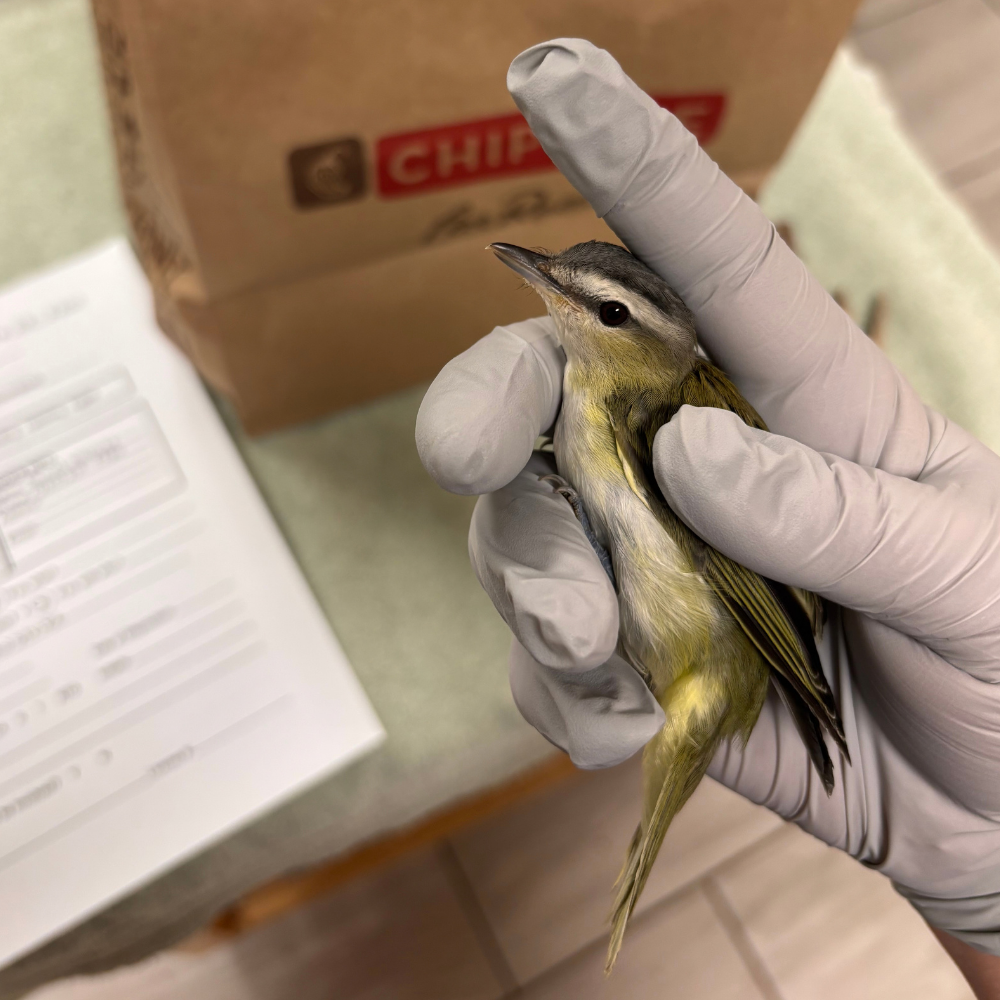
People often ask us, "What's the most common reason a bird comes to Avian Haven?" Last Wednesday, the birds answered for us.
A day at Avian Haven
When our team arrives each morning, the first job is feeding. Many of our patients need constant attention throughout the day, from incubators with baby birds to adults recovering from surgery. While the birds are fed, one of us works through the messages that came in overnight. We return every call to learn more about each bird: what happened, how it's behaving, and whether it needs to come in.
Once we know which birds need us, our volunteer transporter network takes over. Volunteers across the state bring birds to us from every corner of Maine. One of our regular routes is a daily relay: a volunteer picks up injured, sick, and orphaned birds in the Portland area and drives them to Gardiner, where a second volunteer takes over and brings them the rest of the way to us in Freedom. It all happens quietly, day after day, thanks to about 120 volunteers who are ready to bring birds to us whenever they're needed.
As new patients arrive, each one is triaged and examined so we can decide what care it needs. Throughout the day, our team treats wounds, gives medications, does physical therapy, and provides more intensive care for birds with serious injuries. Every patient is also assessed regularly to answer the question that guides all of our work: is this bird on the road to release?
In the evening, we make rounds to check on every patient one last time before we close up for the night. Then, the next morning, it all begins again.
Wednesday's arrivals
This past Wednesday, 10 birds came through our doors. Together, they illustrate the three most common reasons that birds end up with us:
Caught by cats: a Mourning Dove and a House Sparrow
Hit by cars: a Herring Gull and a Cedar Waxwing
Window strikes: a Swainson's Thrush, a Gray Catbird, a Common Yellowthroat, a White-throated Sparrow, and two Mourning Doves
Six of today's ten birds hit windows. It's no coincidence that several of them are migrants. Fall migration is underway, and birds traveling through unfamiliar territory are especially vulnerable to glass that reflects sky and trees.
Why these birds can't wait
If you find a bird that has hit a window or been caught by a cat, it needs to come to a rehabilitator, even if it seems fine. Birds often appear to recover and may even fly off, only to die later from injuries no one could see. After a window strike, the danger is often a head injury: the brain can bleed or swell in the hours that follow. Getting the bird to us as soon as possible means we can give medications that help slow that bleeding and swelling, and check for internal injuries that aren't visible from the outside. Birds caught by cats face a different threat. Even a tiny puncture can lead to a serious infection, and these birds need antibiotics quickly to survive.
How you can help birds where you live
Most of what brings birds to us starts with an everyday encounter with people. That means small changes at home can make a real difference:
Keep cats indoors. It's the single best way to protect birds in your yard. And it's better and safer for your cat!
Make your windows visible to birds. Decals, screens, or patterned film on the outside of the glass help birds see it as a barrier.
Call us right away after a window strike or cat encounter. Don't wait to see if the bird recovers on its own.
Slow down on rural roads, especially at dawn and dusk when birds are most active near the road's edge.
If you find a bird in need, call our hotline at (207) 382-6761, open 9am–5pm every day of the year.
Every bird, every day
These 10 birds are just one day's work. We'll take in around 3,000 birds this year, and every one of them will need food, medicine, a vet's attention, and a team who knows how to care for them. Our patients have included 180 species so far, so there's no telling who will arrive tomorrow.
Your gift keeps the relay running, the phones answered, and the birds fed.
