
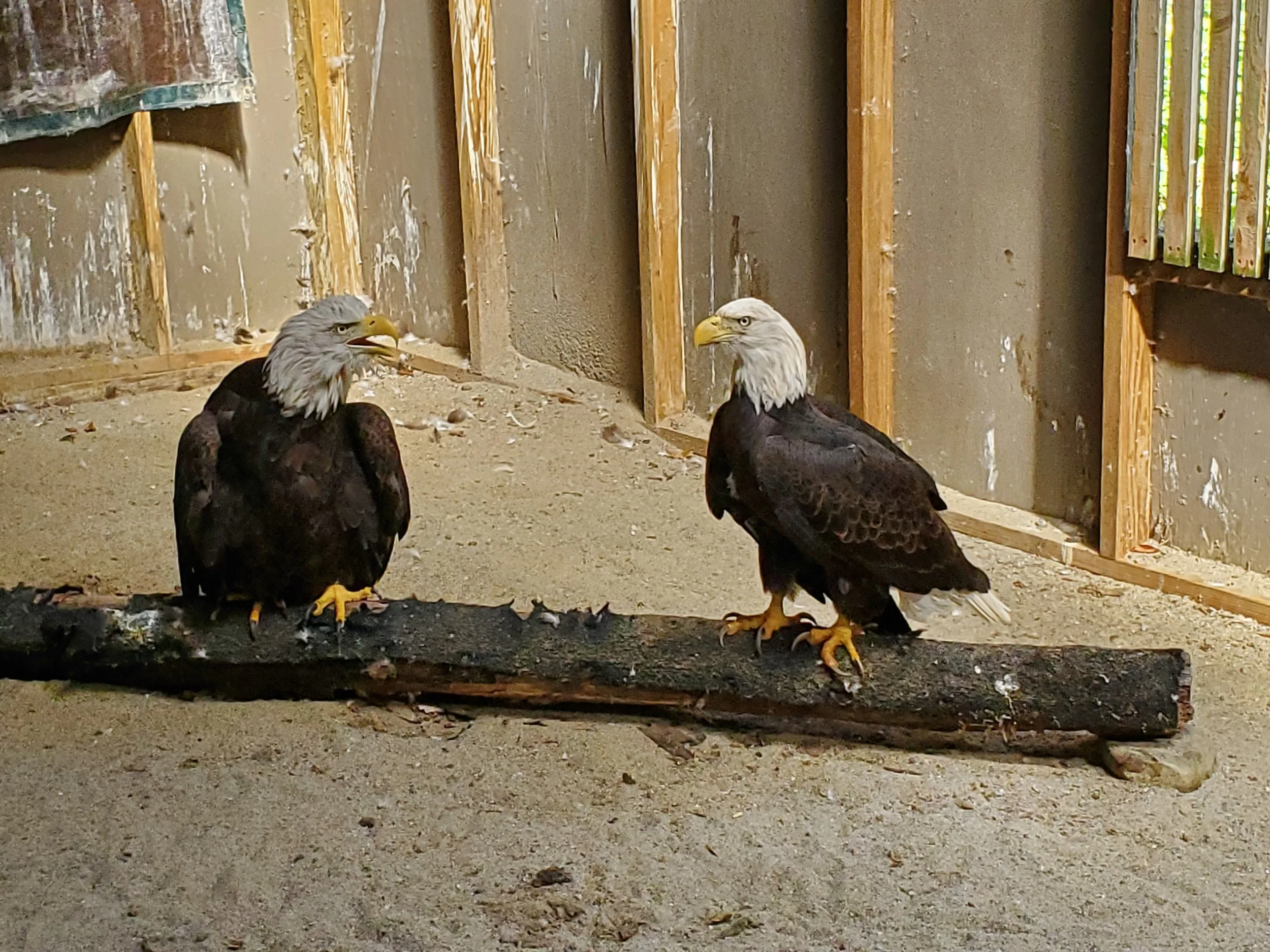
Avian Haven Blog
Stories, education, and updates from Maine’s wild bird rehabilitation community.
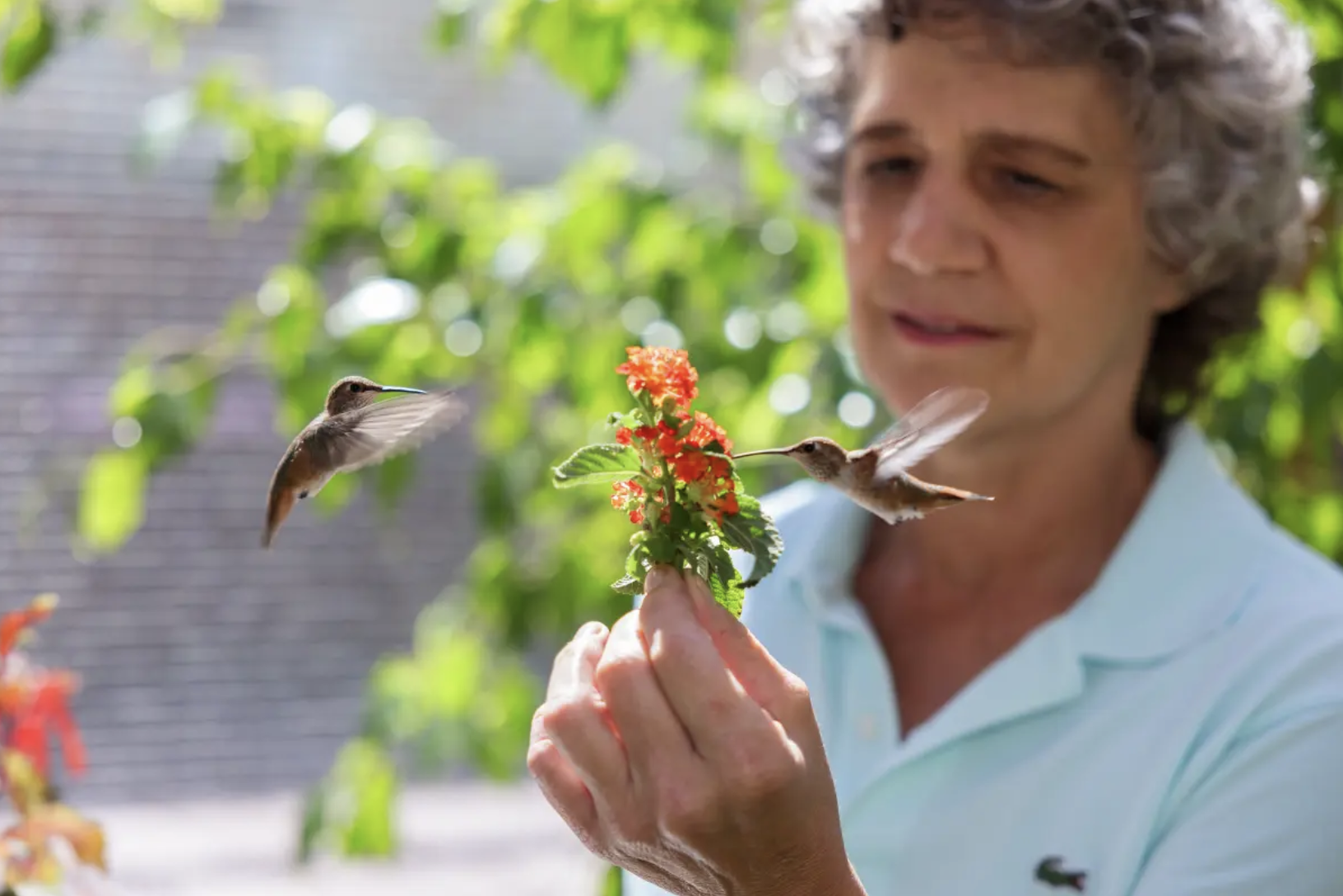
Every Little Thing: A Film About the Tenderness of Care
This year, Avian Haven has taken in 44 Ruby-throated Hummingbirds. Some arrived exhausted from migration or from being caught inside a house with nothing left in reserve. Others struck windows, were caught by cats, or were orphaned nestlings no bigger than a bumblebee.
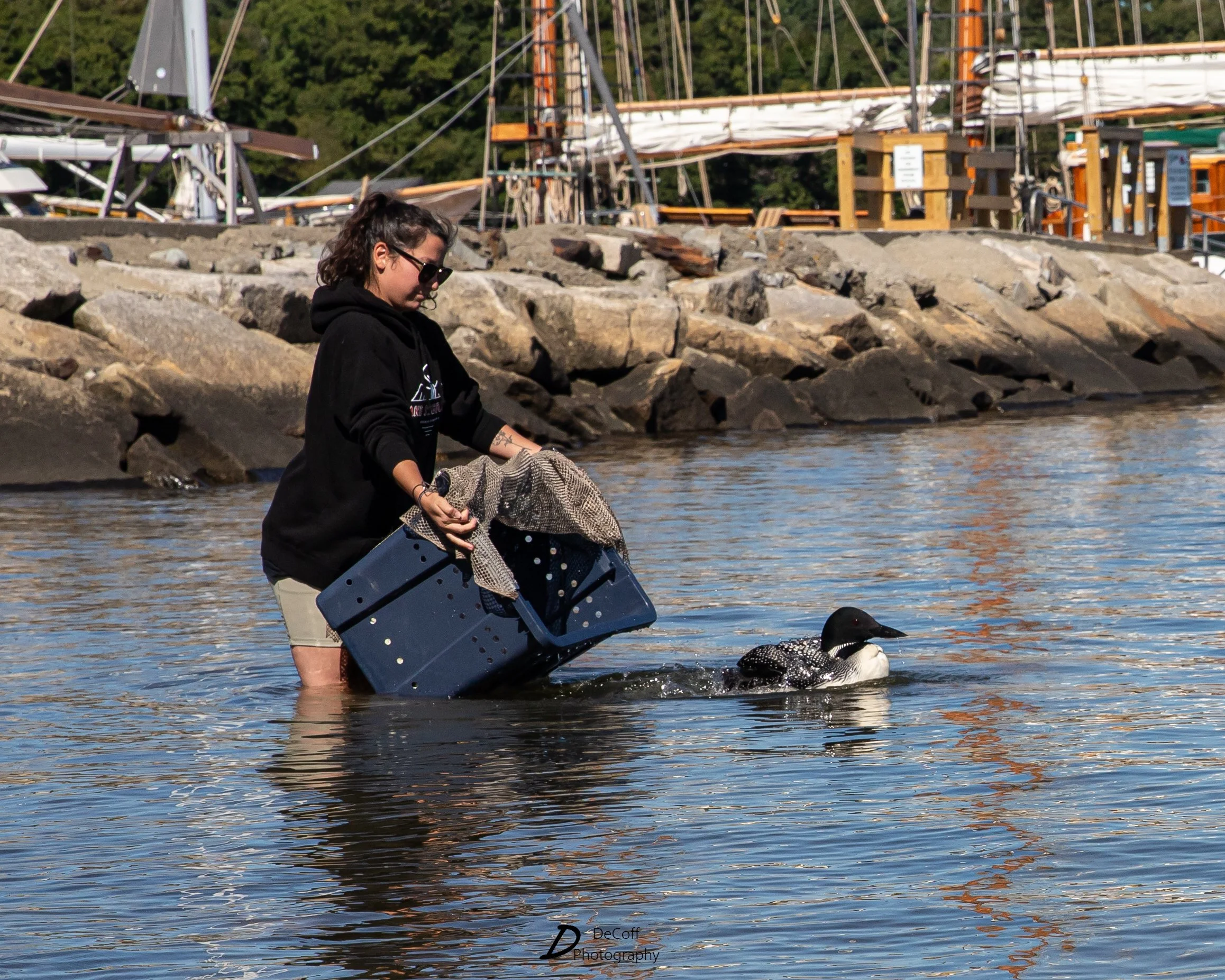
The Hardest Bird to Heal: Caring for Maine's Loons
Maine is home to more breeding Common Loons than any state in the lower 48 except Minnesota, roughly 5,000 to 6,000 birds. So far this year, Avian Haven has taken in 15 of them.
What will your legacy look like?
October 19–25 is National Estate Planning Awareness Week, a good time to take a few simple steps for the people, pets, and causes you love.

Please Don't Feed That Sick or Injured Bird - Here's Why
Here's why we always ask people to call us first, and not to offer the bird any food or water.

Give Smarter Before Year-End: A Few Strategies to Consider
As the year winds down, many of our supporters start thinking about both their charitable giving and their tax planning. The good news: with a little strategy, the two can work together. Here's a refresher on a few options worth discussing with your advisor.

How We Work With Threatened Species: Blackpoll Warbler
Last week, a small black-and-white streaked songbird was found on the sidewalk outside 300 Fore Street in Portland, stunned after colliding with a window. It was a Blackpoll Warbler, a bird that weighs about as much as two quarters and was likely beginning one of the most extraordinary journeys in the animal kingdom.

Turn Your IRA Into a Lifeline for Maine's Wild Birds
If you're 70½ or older and have a Traditional IRA, there's a giving strategy worth knowing about — one that can support Avian Haven's work while easing your tax burden. It's called a Qualified Charitable Distribution, or QCD.

10 birds, one day: here's why they came to us
People often ask us, "What's the most common reason a bird comes to Avian Haven?" Last Wednesday, the birds answered for us.

They Traveled Thousands of Miles to Get Here, Now We're Helping Them Get Home
Right now, in the last days of September, an extraordinary migration is underway.


Welcoming David Heald as Board President
We are delighted to introduce David Heald as Avian Haven's new Board President.

Why Watching (and Caring for) Birds Is Good for You — and Good for the Planet
There's a reason so many of us stop mid-conversation when a chickadee lands on a nearby branch, or feel our shoulders drop when a hawk circles overhead. It turns out that reaction isn't just sentimental — it's backed by a growing body of science.

What a Central Park Owl Can Teach Us About the Wildlife in Our Own Backyards
Four different anti-coagulants. That's what was found in the bloodstream of Flaco, the Eurasian Eagle-Owl whose escape from the Central Park Zoo captivated New Yorkers — and whose death one year later has become a rallying cry for wildlife advocates everywhere.
If you haven't heard Flaco's story yet, a new documentary, Wild Inside, tells it in full. We think it's worth your time, and we think it says something important about the work we do here at Avian Haven.

Birdwatching in Maine, a Q&A with Derek Lovitch of Freeport Wild Bird Supply
It is high summer, and in the newsletter this week we’re sharing more about birdwatching in Maine (something you might be doing a bit more of right now) by asking a few questions of Derek Lovitch, owner along with his wife Jeannette of Freeport Wild Bird Supply.

An Update on the Thick-Billed Murre
There is a Thick-Billed Murre sitting on a beach in Scarborough out of season. You’ve been calling with questions, so we asked a professional for answers.

What It Really Takes to Bring a Bird Back to the Wild
Every year, our rehab team makes thousands of decisions most people never see: whether a bird will be able to heal from a presenting issue and thrive in the wild, when it's ready for release, and where exactly to let it go. We asked readers what they wanted to know about that process, so I sat down with Senior Rehab Tech Athena Furr to walk through it.

We're Getting More Calls Than Ever — Here's What We're Doing About It
Every year, thousands of Mainers find themselves staring at an injured, orphaned, or simply out-of-place bird, phone in hand, unsure what to do next. If you've ever made that call to Avian Haven, you know it's the beginning of a process — one built to give that bird the best possible chance. If you haven't, here's what to expect, and why we ask what we ask.

Raising the Next Generation of Bird Lovers: A Family Guide to Birding
Here's how to help the young people in your life discover a lifelong connection to nature.

Why We Don't Name Our Birds
At Avian Haven, we don't name our patients — and that this small practice is one of the most important things we do.

Two Hidden Dangers to Maine's Birds: Glue Traps and Rodenticides
Rodenticide poisoning is one of the most widespread — and least visible — threats to birds of prey and other wildlife. When a mouse or rat consumes rodent poison, the danger doesn't end there. It travels up the food chain.