
Why Watching (and Caring for) Birds Is Good for You — and Good for the Planet
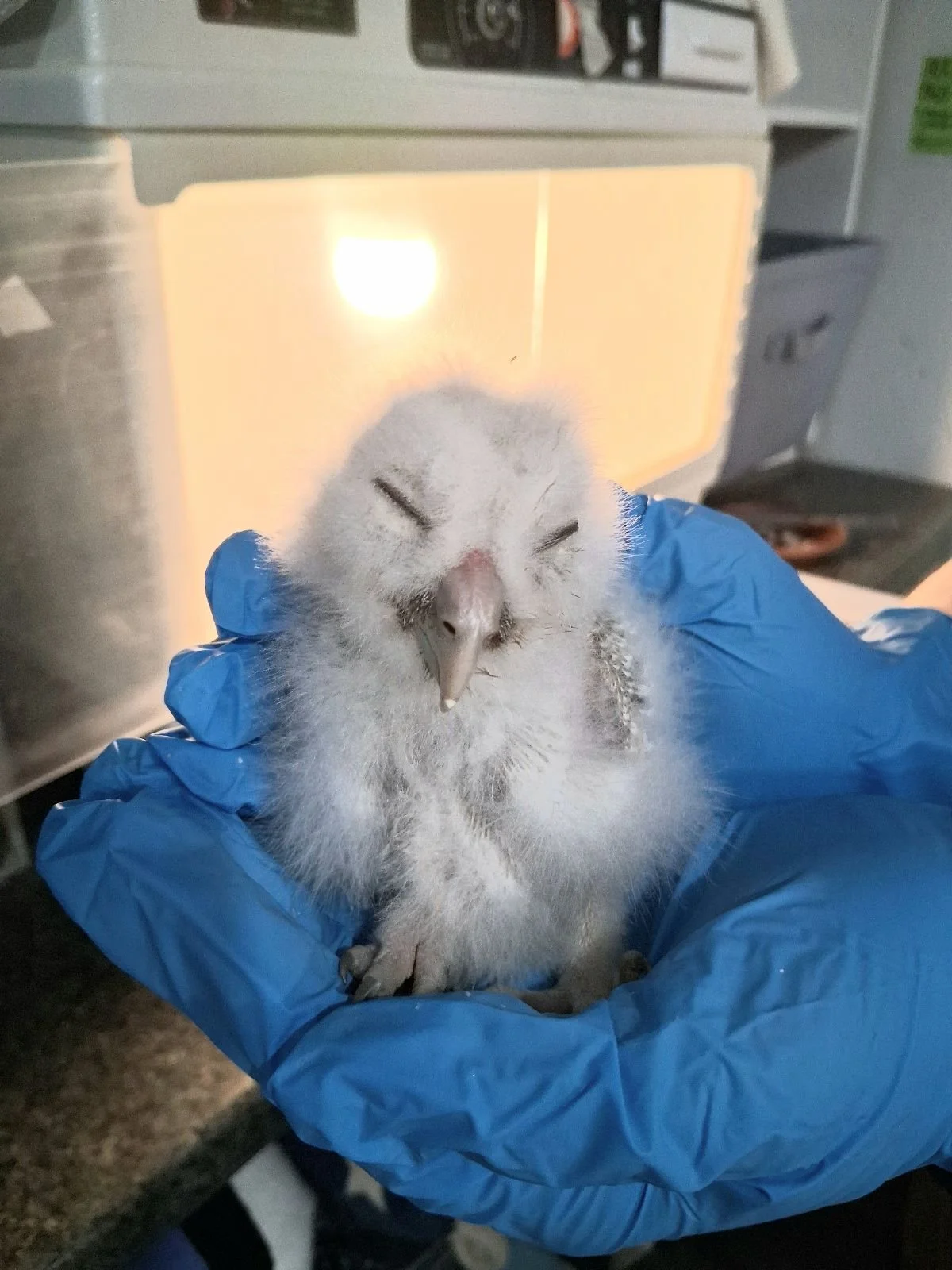
There's a reason so many of us stop mid-conversation when a chickadee lands on a nearby branch, or feel our shoulders drop when a hawk circles overhead. It turns out that reaction isn't just sentimental — it's backed by a growing body of science.
The Science: Birds Are a Measurable Mental Health Boost
Researchers at King's College London ran a study using a smartphone app called Urban Mind, asking thousands of participants to log their mood in real time throughout the day. The finding: seeing or hearing birds was associated with improvements in mental wellbeing that lasted up to eight hours — and the effect held true even for people already diagnosed with depression (Hammoud et al., Scientific Reports, 2022).
A separate large-scale study out of the University of Exeter looked at neighborhoods across the UK and found that people living in areas with greater bird diversity reported lower rates of depression, anxiety, and stress — independent of factors like income or education (Cox et al., BioScience, 2017). A follow-up European study found that the wellbeing boost from being around a wide variety of bird species was comparable in size to the wellbeing boost from a pay raise (Methorst et al., Ecological Economics, 2021).
None of this should surprise us. Biologist E.O. Wilson's "biophilia hypothesis" argues that humans have an innate, evolved affinity for other living things — and birds, with their color, song, and constant presence even in cities and backyards, are often our most accessible daily connection to that instinct.
From Noticing Birds to Caring for the Earth
Here's where the research gets even more relevant to what we do at Avian Haven: paying attention to birds doesn't just make people feel better. It changes how they think about the natural world.
Researchers who study "nature connectedness" — the degree to which people feel part of, rather than separate from, nature — have consistently found that this sense of connection is one of the strongest predictors of pro-environmental behavior, from recycling to voting for conservation policy to donating to environmental causes (Whitburn, Linklater & Abrahamse, Conservation Biology, 2020). And bird activities in particular — feeding, watching, identifying — are among the most common, low-barrier ways people build that connection, according to work from the Nature Connectedness Research Group at the University of Derby.
In other words: the person who starts hanging a bird feeder to feel a little calmer during a hard week is often, months later, the same person who starts asking questions about pesticide use, window collisions, or habitat loss. Caring about birds is frequently the doorway into caring about the whole ecosystem they depend on.
Where Avian Haven Fits In
This is precisely why our work matters beyond the 45,000+ individual birds we've cared for since 1999. Every rescued chickadee, owl, or loon that a volunteer transporter brings to our door in Freedom is also a small, direct point of connection between a person and the natural world — often at the exact moment that person is asking, "What can I do to help?"
When we treat a window-strike victim, answer a hotline call about an orphaned nestling, or release a bird back into the wild, we're not just providing rehabilitation. We're nurturing the very connection that research shows makes people happier — and makes them more likely to protect the wild places all of Maine's 450-plus bird species, and the rest of us, depend on.
How You Can Be Part of This
Notice a bird today. Step outside, look up, and feel the awe that comes.
Support the birds who need real help. A gift to Avian Haven keeps our hotline open 365 days a year and our rehabilitation team ready for the next bird that needs us.
Spread the word. Share this post with someone who could use a reminder that a little birdwatching is good medicine.
Every bird we release back into the Maine sky is a small act of hope — for the bird, and for everyone who gets to watch it fly.
Sources cited:
Hammoud, R., et al. (2022). "Smartphone-based ecological momentary assessment reveals mental health benefits of birdlife." Scientific Reports.
Cox, D.T.C., Shanahan, D.F., Hudson, H.L., et al. (2017). "Doses of Neighborhood Nature: The Benefits for Mental Health of Living with Nature." BioScience.
Methorst, J., Rehdanz, K., Mueller, T., et al. (2021). "The importance of species diversity for human well-being in Europe." Ecological Economics.
Whitburn, J., Linklater, W., & Abrahamse, W. (2020). "Meta-analysis of human connection to nature and pro-environmental behavior." Conservation Biology.
Wilson, E.O. (1984). Biophilia. Harvard University Press.
