
Grow a garden birds love: a guide to native plants in Maine
Spring is here, and there's no better time to think about what's growing in your yard — and who might come to visit.
At Avian Haven, we care for birds that are injured, sick, or orphaned. But one of the most powerful things anyone can do for birds happens right at home: planting native species that provide food, shelter, and safe nesting habitat throughout the year.
Why native plants matter
Native plants and birds evolved together over thousands of years. When you plant native species, you're restoring a food web — one that supports insects (the primary food source for most baby birds), berries and seeds for migration and winter survival, and structural cover for nesting and roosting.
Non-native ornamentals may look beautiful, but they often provide little nutritional value for wildlife. Switching even a small portion of your yard to native plantings can have a measurable impact on the birds in your neighborhood.
What to plant — Maine native recommendations
Here are some excellent choices for Maine gardeners looking to support birds and pollinators:
For berries and fruit:
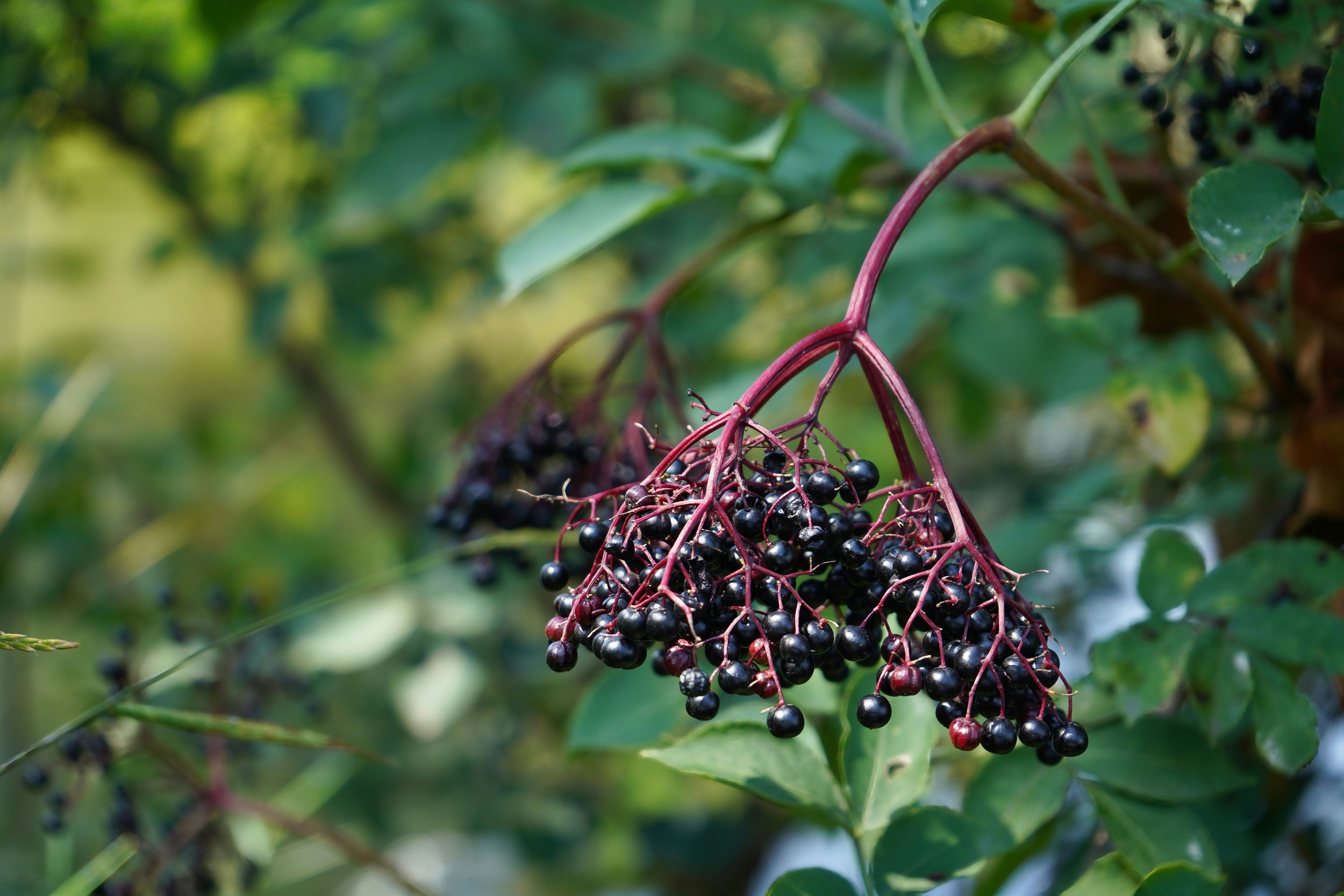
American Elderberry (Sambucus canadensis) — a magnet for Cedar Waxwings, thrushes, and catbirds; also attracts native bees
Winterberry Holly (Ilex verticillata) — bright red berries that persist into winter, beloved by bluebirds and robins
Serviceberry / Juneberry (Amelanchier spp.) — early fruiting tree prized by orioles and tanagers
Black Chokeberry (Aronia melanocarpa) — hardy and low-maintenance, the dark berries are a favorite of Cedar Waxwings, robins, and other thrushes; also supports native pollinators in spring
For seeds and structure:
Purple Coneflower (Echinacea purpurea) — seed heads draw goldfinches; blooms support native bees and butterflies
Little Bluestem (Schizachyrium scoparium) — native grass that provides cover, nesting material, and winter seeds
Wild Bergamot (Monarda fistulosa) — hummingbirds and bumblebees both love this one
For nesting cover:
Red-osier Dogwood (Cornus sericea) — dense branching supports nesting, berries feed many species
Native Viburnums (Viburnum spp.) — multi-season habitat; flowers for pollinators, berries for fall migrants
Tips for attracting birds and pollinators
Layer your plantings. Birds use different layers — ground, shrub, canopy — for different purposes. A mix of heights creates the most welcoming habitat.
Leave the leaves. Fallen leaves harbor the insects and invertebrates that ground-feeding birds like thrushes and towhees depend on.
Skip the pesticides. Insecticides reduce the food supply birds need, especially during breeding season when nestlings require caterpillars and soft insects
Add water. A shallow birdbath or small pond dramatically increases the number of species you'll attract, especially during migration.
Plant in clusters. A mass planting of native flowers is far more attractive to pollinators than scattered individual plants.
Think about bloom sequence. Choose plants that flower from early spring through late fall so there's always something in bloom for native bees and butterflies.
Resources we love
We're fortunate to have supporters who go above and beyond — including Nancy Coverstone, who spent years with the University of Maine Cooperative Extension helping Maine residents create wildlife-friendly landscapes. Nancy put together these wonderful guides to backyard habitat components and principles that we encourage you to explore:
👉 Components of a Backyard Wildlife Habitat
👉 Principles for Creating a Backyard Wildlife Habitat
Thank you, Nancy, for this lasting contribution to Maine's birds and wildlife!
Also please reference the book Tree Shrubs and Vines for Attracting Birds for info on Maine and beyond.
Where to find native plants and seeds
Ready to get started? These trusted sources can help you find the right plants for your space:
Wild Seed Project — Maine-focused seed sourcing for native wildflowers and grasses
Wild Ones — national organization with local chapters; excellent plant sale resources
Johnny's Selected Seeds — Maine-based seed company with native and pollinator-friendly selections
Your support makes our work possible
Every bird we care for at Avian Haven — the songbirds, the raptors, the waterfowl — depends on habitat like what you can help create. While we work to rehabilitate and release the birds who need us, your plantings are helping ensure they have a safe and healthy world to return to.
If this newsletter inspired you, please consider making a gift to support our work.
